Sustainable Interior Design: Beautiful Spaces, Conscious Choices
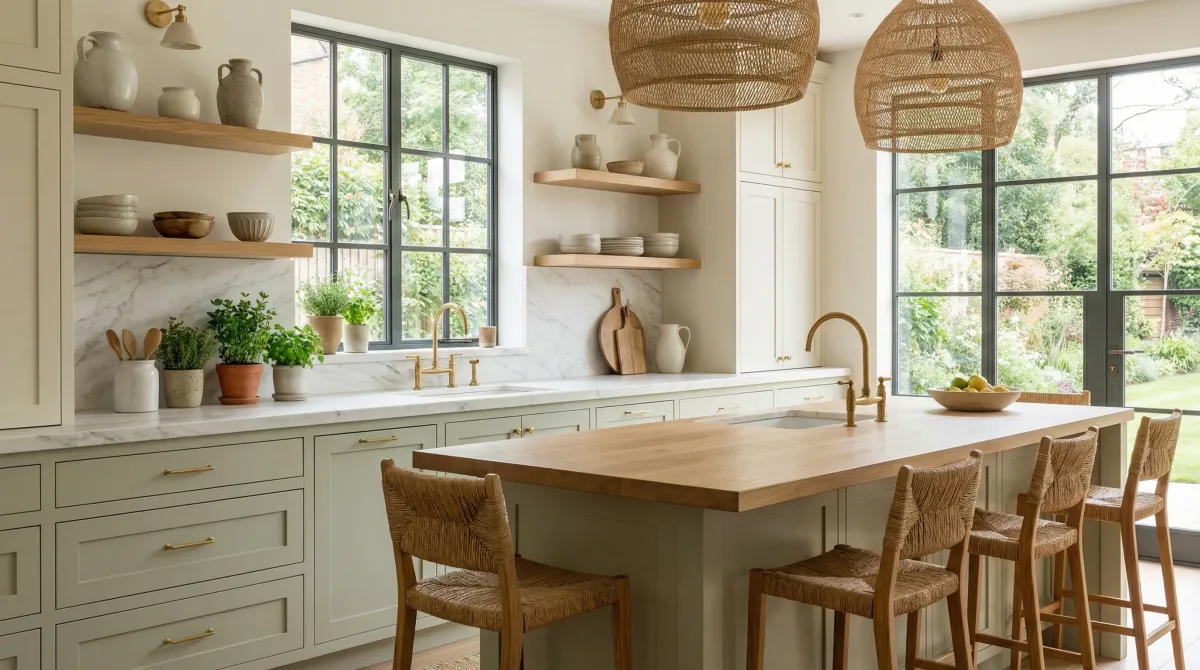
Sustainable interior design is no longer a niche preference. For many homeowners, it is a practical framework for creating healthier spaces, reducing unnecessary replacement, and making better purchasing decisions over time. The key is balancing environmental intent with function, budget, and real-life maintenance.
In Southern California, sustainability decisions are shaped by climate, UV exposure, drought-aware landscaping transitions, and strong indoor-outdoor use patterns. This guide covers materials, certifications, vintage sourcing, low-VOC finishes, durability, cost tradeoffs, and how to avoid greenwashing while still creating a beautiful, high-performing home.
Start with lifecycle thinking, not labels
The most sustainable room is usually the one you do not have to redo in three years. Before shopping, ask how long each item should last and what conditions it will face: sunlight, moisture, kids, pets, frequent cleaning, or rental turnover.
Materials that balance performance and impact
Wood
Look for responsibly sourced hardwoods and veneers with durable finishes. Prioritize repairability and stable construction over trend-driven species selection.
Natural fibers
Wool, linen, cotton, and jute can perform well when chosen for the right room. Consider maintenance requirements in high-traffic zones.
Recycled and reclaimed content
Reclaimed wood, recycled glass, and certain recycled-metal products can reduce virgin material demand while adding character.
How to use certifications without getting overwhelmed
Certifications can help, but they are one signal, not the full answer. Evaluate what the certification actually measures, whether it applies to the entire product or one component, and whether the product still meets your durability requirements.
Low-VOC finishes and indoor air quality
Paints, sealers, adhesives, and composite products can affect indoor air quality, especially after installation. Low-VOC options are often a smart baseline, but ventilation strategy matters too. Schedule painting and floor finishing with adequate cure time and airflow before full occupancy.
Vintage and secondhand sourcing strategy
Vintage furniture can be one of the highest-impact sustainability moves when construction quality is strong. Prioritize solid frames, sound joinery, and pieces that can be refinished or reupholstered locally. This often yields better craftsmanship than similarly priced new items.
Durability is sustainability in practice
Products that fail early create repeat manufacturing, shipping, and disposal. In many cases, buying one durable sofa, dining table, or casegood is more responsible than buying multiple lower-quality replacements.
Cost realities and practical tradeoffs
Sustainable options are not always cheaper up front. Some categories carry premiums, while others, like vintage sourcing, can reduce spend. Use total-cost logic: purchase price, maintenance, repairability, and expected lifespan.
How to spot greenwashing
- Vague claims without test standards or specification detail.
- Single "green" feature used to distract from weak overall construction.
- No transparency on material composition or finish systems.
Ask direct questions about content, finish chemistry, warranty, and expected performance in your use conditions.
Southern California context that changes material decisions
UV exposure can fade fabrics and wood tones near large glazing. Coastal humidity and salt air can influence hardware performance. Choose finishes and textiles with those factors in mind, especially in west-facing rooms and near operable doors.
A realistic sustainable specification checklist
- Define lifespan target by category.
- Prioritize repairable construction.
- Confirm finish and adhesive emissions strategy.
- Use certifications as one filter, not the only filter.
- Blend new and vintage sourcing intentionally.
- Sequence purchases to avoid wasteful duplicates.
If you want support integrating sustainability with layout, aesthetics, and investment priorities, our residential design service can help you build a practical plan from concept through installation.
Final takeaway
Sustainable interior design is about better decisions, not perfection. Choose durable materials, evaluate claims critically, and invest where lifecycle value is strongest. With the right strategy, you can create a home that feels elevated, functions beautifully, and reduces unnecessary waste over time. When you are ready to plan your project, schedule a consultation.
Sustainability priorities by project phase
Early project choices have the largest downstream effect. During planning, define what sustainability means for your household: low emissions, long lifespan, reduced replacement cycles, local sourcing, or waste reduction during installation. Not every project can maximize every goal, so ranking priorities upfront prevents confusion later.
During specification, compare products on both impact and performance. A material with a strong sustainability claim still needs to meet your durability and maintenance requirements. During installation, coordinate timing to minimize damage and rework. During post-install use, follow maintenance guidance so products last as intended.
Decision framework: durability, chemistry, and logistics
When evaluating any major item, review three categories. First is durability: construction quality, joinery, wear resistance, and repair options. Second is chemistry: emissions profile, finish system, and whether adhesives or sealers introduce avoidable indoor air concerns. Third is logistics: shipping distance, packaging waste, and availability of local service if repairs are needed.
This framework helps avoid single-factor decisions and keeps sustainability grounded in real outcomes.
Room-by-room strategy
Living areas
Prioritize durable upholstery and washable textiles to reduce replacement frequency. Choose coffee and side tables with refinishable surfaces where possible.
Kitchens and dining
Select finishes that tolerate regular cleaning without harsh chemicals. For seating, favor frames that can be repaired and cushions that can be re-covered.
Bedrooms
Focus on indoor air quality and comfort. Low-emission paint and thoughtful ventilation can matter as much as furniture material choices.
Local context in San Diego and Southern California
High sun exposure means UV resilience is essential for fabrics, woods, and artwork placement. Dry conditions and seasonal heat spikes affect material movement and finish wear. Coastal zones add salt exposure that can influence hardware and metal finishes. A sustainable spec in this region should account for these realities so products last longer in actual conditions.
Budget planning without idealism
Sustainable choices can include both premium and value options. A practical budget approach is investing in long-life anchors while mixing in vintage or reclaimed pieces where condition supports reliability. If a fully sustainable specification exceeds budget, prioritize the categories with the highest replacement risk first, then phase upgrades over time.
Questions to ask vendors before purchasing
- What is the core material composition and finish system?
- Are emissions or safety claims backed by recognized standards?
- Which components are repairable or replaceable?
- What maintenance is required to achieve expected lifespan?
- How is the product packaged and shipped?
Maintenance: the overlooked sustainability lever
Even excellent materials underperform without maintenance. Use felt protection where needed, clean with appropriate products, rotate cushions, and address minor repairs early. Extending product life by even a few years meaningfully reduces replacement demand and overall project waste.
Implementation checklist
- Define your top three sustainability priorities.
- Set minimum durability standards for anchor categories.
- Compare certifications and claims with performance requirements.
- Blend new, vintage, and reclaimed sourcing intentionally.
- Coordinate installation and ventilation plans for low-emission outcomes.
- Create a maintenance schedule so investments last.
Extended planning notes for homeowners
Before you finalize any room, run a one-week observation exercise. Track when the room feels easy and when it creates friction. Note where clutter lands, which seats are used most, where light feels harsh, and where circulation tightens during busy hours. These observations reveal priorities better than inspiration images because they reflect real behavior. Convert those notes into action items with clear owners and deadlines, even if your project is self-managed.
Next, create a simple decision log. For each purchase, record why you chose it, the dimensions, material details, expected delivery timing, and return terms. This log protects you when lead times shift or when you need to coordinate installers. It also helps maintain consistency across months-long projects where memory fades. If you are collaborating with contractors or trades, a centralized log keeps everyone aligned and reduces avoidable change orders.
Finally, schedule a post-install review thirty days after completion. At that point you will know whether layout, lighting, storage, and finishes are supporting daily life. Small adjustments early can prevent long-term dissatisfaction. Move accessories, adjust lamp placement, tune storage assignments, and refine routines until the space feels effortless. Long-form design success is less about one perfect reveal and more about iterative improvements that respect the way you actually live.
Case study scenarios and practical adjustments
Consider a common scenario: a couple purchases paint, furnishings, and décor within the same week to finish quickly, then discovers the undertones conflict in evening light and the layout blocks daily movement. A better approach is staging decisions. Validate color under real lighting first, then place anchor furniture, then add supporting pieces. This sequence reduces returns and avoids spending on accessories that do not match the final direction.
Another scenario involves hybrid work routines where a dining area becomes a weekday workstation. Instead of forcing one setup to do everything poorly, plan flexible infrastructure. Use lighting that supports task focus, provide concealed cable paths, and choose chairs that are comfortable for longer sitting periods. When workday ends, a simple reset system can restore dining mode without visual clutter.
In compact urban and coastal homes, storage frequently fails because capacity was estimated by shelf count rather than by item type. Improve this by assigning storage by category: daily carry items near entries, service items near dining, seasonal items in less accessible areas, and sentimental items in clearly labeled bins. This organization structure keeps primary zones clear and reduces constant reshuffling.
Finally, build in review points. Revisit the room after two weeks, two months, and six months. At each checkpoint, identify one change that improves comfort and one change that improves maintenance. Incremental refinement makes long-form design resilient as routines shift over time.