How to Maximize Small Space Living Without Sacrificing Style
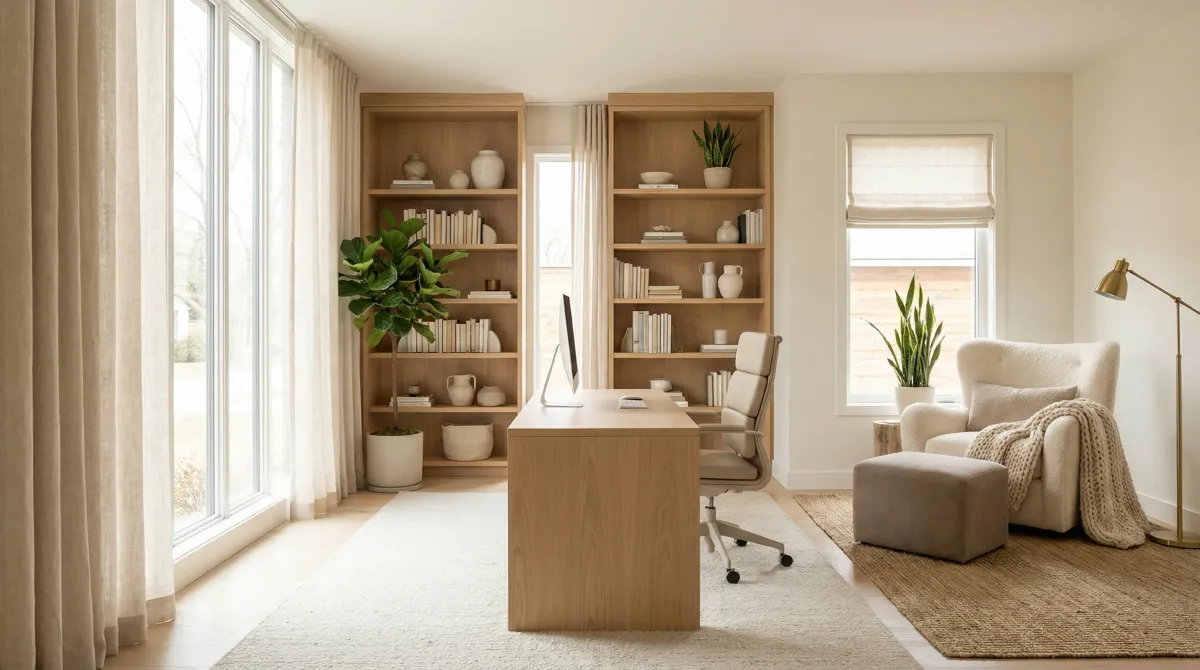
Small-space design is not about making do with less. It is about making better decisions with every square foot you have. With the right plan, a compact condo, bungalow, or guest suite can feel intentional, elegant, and surprisingly spacious.
In San Diego, many homeowners and new buyers want a home that functions beautifully without expanding the footprint. Whether you are optimizing a primary residence, investment property, or ADU, the strategies below will help you create a home that feels bigger and lives better.
1) Begin with a lifestyle-based layout
The fastest way to waste square footage is arranging furniture before clarifying how the room needs to work. Start by mapping your top daily activities: dining, work-from-home, entertaining, storage, and circulation. Then assign zones based on priority.
Clients searching for small living room layout ideas with dining area often benefit from a single, integrated plan instead of two competing setups. One well-planned multifunctional zone usually outperforms separate cramped zones.
2) Protect clear circulation paths
Compact rooms feel chaotic when movement paths are blocked. Maintain comfortable circulation between major touchpoints: entry, seating, kitchen, and bedroom transitions. Use slimmer furniture profiles and avoid oversized pieces that force awkward detours.
A good rule: keep primary walkways visually obvious and physically open. When circulation is clean, rooms feel larger even before you add storage.
3) Choose scaled furniture with hidden function
In smaller homes, every piece should earn its footprint. Look for furniture that combines proportion and performance:
- Sofa with a narrower depth and exposed legs to lighten visual weight.
- Coffee table with concealed storage for remotes, throws, and games.
- Dining table that extends for guests but compacts for daily use.
- Bed frame with integrated drawers or lift-up storage.
If you are comparing best furniture for small apartments that still looks high-end, prioritize adaptable pieces with durable finishes and simple silhouettes.
4) Use vertical space intentionally
Most small rooms are underutilized above eye level. Wall-mounted shelving, tall bookcases, and full-height drapery shift attention upward, creating the perception of volume. In kitchens and home offices, vertical storage can reclaim substantial floor area.
The goal is not to fill every wall. It is to create organized vertical rhythm while keeping breathing room between elements.
5) Build closed storage into everyday zones
Open shelving can look great in photos, but too much visible storage quickly feels cluttered in real life. Blend open display with closed cabinets, baskets, and media units. Keep frequently used items close at hand and less attractive essentials out of sight.
Homeowners asking for how to reduce clutter in a small home without a remodel often see immediate results from this one shift.
6) Improve light distribution before adding décor
Small spaces feel larger when light is layered and balanced. Relying on one overhead fixture creates dark corners and flat ambiance. Instead, combine ambient, task, and accent lighting:
- Ambient: ceiling or flush-mount fixtures with warm, even output.
- Task: reading lamps, kitchen under-cabinet lighting, desk lighting.
- Accent: wall sconces or directional lighting to highlight texture/art.
Use mirrors strategically to bounce daylight from windows deeper into the room, but avoid placing mirrors where they amplify visual clutter.
7) Keep your material palette cohesive
Too many competing colors and finishes can make a compact home feel fragmented. A refined palette with subtle contrast creates calm continuity. This does not mean bland-texture, wood grain, linen, and matte finishes can deliver richness without crowding the eye.
Need help with paint and palette planning? Our paint color selection guide complements small-space planning and helps prevent costly color mistakes.
8) Design for flexibility, not perfection
Rooms in smaller homes often serve multiple roles. A guest room may also be an office. A dining nook may become homework space. Design with movable pieces, dimmable lighting, and modular storage so spaces can shift smoothly throughout the day.
Flexible design is especially valuable for growing families and hybrid work schedules, where routines change seasonally.
9) Solve small-space pain points room by room
Entry
Add a narrow console, wall hooks, and concealed shoe storage. Keep the first visual moment tidy and intentional.
Living room
Anchor seating around one focal point, use one appropriately scaled rug, and avoid excessive small furniture pieces that create visual noise.
Kitchen
Prioritize functional zones: prep, cook, clean. Add vertical storage and clear counters for a calmer, larger-feeling kitchen.
Bedroom
Use nightstands with drawers, wall-mounted sconces, and under-bed storage to preserve floor area while maintaining comfort.
10) Know when professional space planning pays off
DIY can work for styling updates, but if you are dealing with awkward layouts, renovation decisions, or multiple multifunctional rooms, a professional plan often saves money in avoided rework. Our space planning service helps homeowners make layout decisions with confidence before purchasing furniture or starting construction.
For broader support, our residential design team can coordinate layout, materials, and furnishings as one cohesive plan. You can also review compact-home transformations in our Serene Sanctuary project and full portfolio.
Final takeaway
Great small-space living is less about square footage and more about strategy. When layout, storage, lighting, and materials work together, compact homes feel composed, welcoming, and highly functional. Focus on clarity over quantity, and every room will feel more spacious and more “you.”
Case study scenarios and practical adjustments
Consider a common scenario: a couple purchases paint, furnishings, and décor within the same week to finish quickly, then discovers the undertones conflict in evening light and the layout blocks daily movement. A better approach is staging decisions. Validate color under real lighting first, then place anchor furniture, then add supporting pieces. This sequence reduces returns and avoids spending on accessories that do not match the final direction.
Another scenario involves hybrid work routines where a dining area becomes a weekday workstation. Instead of forcing one setup to do everything poorly, plan flexible infrastructure. Use lighting that supports task focus, provide concealed cable paths, and choose chairs that are comfortable for longer sitting periods. When workday ends, a simple reset system can restore dining mode without visual clutter.
In compact urban and coastal homes, storage frequently fails because capacity was estimated by shelf count rather than by item type. Improve this by assigning storage by category: daily carry items near entries, service items near dining, seasonal items in less accessible areas, and sentimental items in clearly labeled bins. This organization structure keeps primary zones clear and reduces constant reshuffling.
Finally, build in review points. Revisit the room after two weeks, two months, and six months. At each checkpoint, identify one change that improves comfort and one change that improves maintenance. Incremental refinement makes long-form design resilient as routines shift over time.
Micro-zoning for studio and one-bedroom layouts
In very compact homes, visual boundaries can replace physical walls. Use area rugs, lighting changes, and furniture orientation to signal where each activity begins and ends. For example, a floor lamp and narrow console can define a reading corner without consuming significant floor area. A wall-mounted drop-leaf surface can convert an unused section into a temporary work zone, then fold away after use.
Sound control also improves perceived spaciousness. Soft textiles, curtains, and upholstered pieces reduce echo, making rooms feel calmer and more intentional. In buildings with street noise, layered window treatments and strategic furniture placement can improve comfort without major construction.
Move-in checklist for small-space success
- Unpack by zone, not by box order, so essentials land in their assigned homes first.
- Delay accessory purchases for thirty days while real patterns emerge.
- Audit duplicate items and keep only what fits storage capacity.
- Create a daily five-minute reset routine for entry, kitchen, and living surfaces.
- Review furniture placement after one month and adjust based on lived experience.
This disciplined start helps a smaller footprint stay functional and visually calm long after move-in week.
What to measure before buying anything
Measure wall lengths, yes, but also note baseboard depth, outlet locations, window sill heights, and door swing arcs. In narrow rooms, these details often decide whether a piece fits comfortably or creates daily frustration. For multi-use zones, map the open and closed positions of convertible furniture so you understand true working clearances in each mode.
Also measure storage interiors, not just exterior furniture dimensions. Drawers that are one inch too shallow can force overflow onto counters and open shelves. Precision at this stage prevents clutter loops later.
Long-term adaptability
Small homes change quickly as routines evolve. Plan with modularity so pieces can move or serve secondary roles over time. A narrow console may become an entry workstation, then a bedroom vanity. A compact bookcase can transition from media storage to pantry overflow. Choosing adaptable pieces lowers replacement pressure and keeps the home functional through life changes.
One more practical tip is to run a quarterly edit of belongings. Small homes perform best when storage volume and item volume stay aligned. If new items enter without planned destinations, surfaces fill quickly and layout benefits disappear. A recurring edit routine protects the clarity and flexibility you worked to create.
Even in the smallest layouts, a clearly defined home for every essential item is what preserves comfort, mobility, and visual calm through busy weeks and seasonal changes.
Ready to Optimize Your Home Layout?
We help San Diego homeowners create high-function spaces that feel open, elegant, and easy to live in.
Book a Consultation