5 Investment Pieces Worth the Splurge (And 5 to Save On)
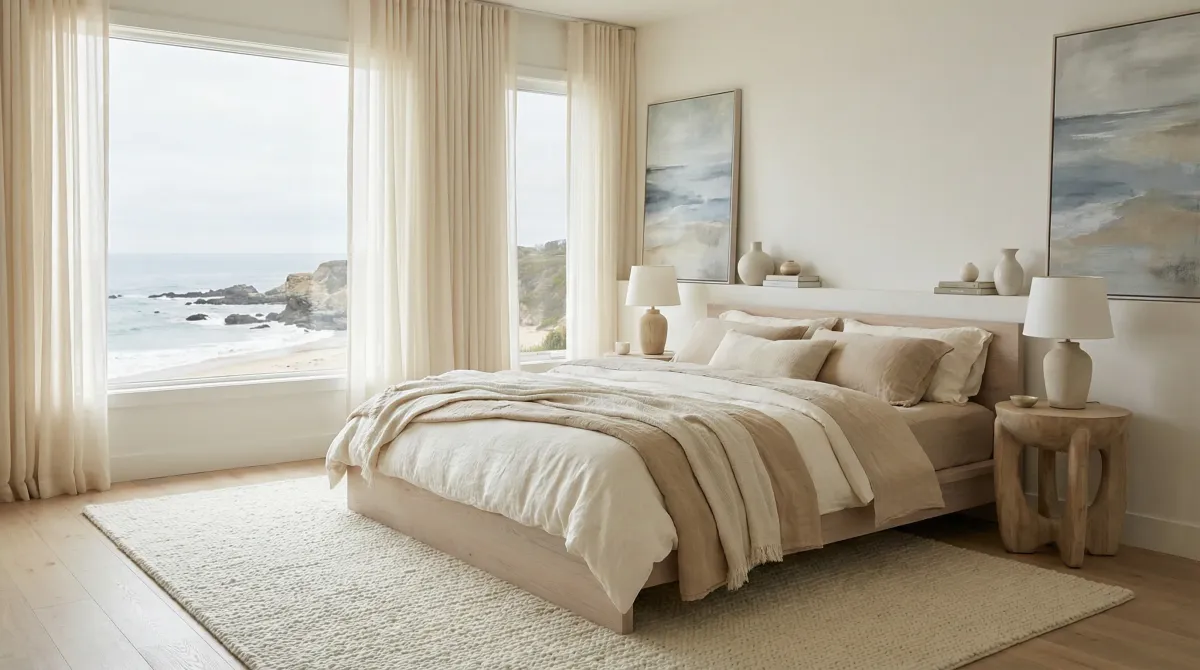
A well-designed home is not the same as an expensive home. The difference is strategic allocation. When you know where quality changes daily comfort and long-term cost, you can spend confidently and avoid the trap of over-investing in low-impact categories. This guide explains where to splurge, where to save, and how to evaluate value like a designer.
In San Diego and Southern California markets, furnishing costs can escalate quickly because lead times, shipping, and premium retail markups add hidden layers to every decision. A clear spending framework protects your budget while still delivering a refined result.
Start with the spend-vs-save framework
Use three filters before buying any item: frequency of use, physical wear, and visual importance. Pieces that score high in all three usually deserve larger budget share. Pieces that score low can often be sourced affordably without sacrificing the final look.
Spend where all three are high
- Daily-use seating and sleep essentials
- Large anchor pieces seen from multiple rooms
- Items expensive to replace due to install or logistics
Save where one or more are low
- Highly trend-driven accents
- Secondary tables and decorative layers
- Items likely to be replaced in 2 to 5 years
Where to splurge
1) Sofa and primary lounge seating
Typical range: roughly $3,500 to $9,000+ for quality custom or premium retail construction.
What quality looks like: kiln-dried hardwood frame, reinforced joinery, high-resilience cushion cores, durable rub-count fabric, and removable cushion covers when possible.
Lifecycle value: a well-built sofa can last 10 to 15 years with reupholstery potential, while lower-cost models often sag or lose shape in 3 to 5 years.
2) Mattress and sleep system
Typical range: about $1,800 to $5,000 for premium mattresses, plus quality support base and breathable bedding layers.
Prioritize pressure relief, temperature regulation, and trial policies. Comfort is personal, so test and compare, then invest in the full system, not only the mattress.
3) Dining table with durable construction
Typical range: $2,500 to $8,000 depending on material and dimensions.
Look for stable joinery, repairable surfaces, and proportions that fit clear circulation. A dining table is a long-cycle piece used for meals, work, and hosting, so poor quality is costly over time.
4) Casegoods that solve real storage
Typical range: $2,000 to $7,000+ for media units, credenzas, and major bedroom storage.
Invest when pieces carry heavy functional load. Drawers should glide smoothly under weight, doors should stay aligned, and interior storage should match what you actually need to store.
5) Window treatments and key lighting
Typical range: window treatments often run from several hundred to several thousand per opening depending on scale and control type. Decorative fixtures can range from $400 to $4,000+ each.
These categories dramatically affect comfort and polish. In bright Southern California homes, good shading strategy reduces glare and protects interiors. Lighting defines mood and function across day and night.
Where to save intelligently
1) Accent chairs in secondary rooms
You can source beautiful silhouettes at moderate price points, especially when they are occasional-use pieces.
2) Side tables and drink tables
These are easy to replace and rotate over time. Focus on scale and finish rather than premium construction.
3) Mirrors and decorative accessories
Many mid-range options deliver strong visual effect. Spend on size, not brand name.
4) Trend-forward textiles
Pillows and throws are ideal for seasonal updates, so avoid overcommitting budget here.
5) Guest-room furnishings
Choose durable basics with good comfort, but reserve the largest investments for spaces used daily.
How to read quality indicators before you buy
- Frames: hardwood or metal with strong joinery.
- Cushions: resilient cores, not overly soft fill that compresses fast.
- Fabrics: performance specifications aligned to pets, kids, and sunlight.
- Finish: consistency, repairability, and resistance to common wear.
- Hardware: smooth operation and long-term serviceability.
How people overspend, and how to avoid it
The most common error is buying too many mid-tier pieces too early, then having no budget for anchor categories. Another is paying premium prices for trend-based items with short relevance windows. Build a phased purchasing plan instead: anchor pieces first, then functional storage and lighting, then styling layers.
If you want to calibrate expected project ranges, review our pricing page. If you want a personalized plan that aligns budget with layout and lifestyle priorities, our residential design service can sequence selections so your money goes where it creates lasting value.
Sourcing logic for Southern California homes
Consider UV exposure, indoor-outdoor flow, and delivery logistics. Materials near large sliders or west-facing glass need better fade resistance. Condo projects should confirm elevator and access constraints before ordering oversized furniture. Lead times vary widely, so lock long-lead anchor pieces early.
Final takeaway
Spend more where use, wear, and visual impact overlap. Save on flexible layers that are easy to refresh. That approach creates homes that look elevated, feel better every day, and age gracefully without constant replacement. Ready to build a budget plan that actually works? Book a consultation and we will map a clear spend strategy for your project.
How to decide whether a splurge is justified
A worthwhile investment piece earns its cost through daily comfort, durability, and design longevity. Start by scoring major purchases against four criteria: frequency of use, expected lifespan, repairability, and role in room composition. If a piece scores high on three or more criteria, it is usually a strong candidate for higher spend. If it is mostly decorative or likely to be replaced with life changes, keep costs controlled.
Where higher spend usually pays off
Sofas and sectionals
Frame quality, suspension system, and cushion construction determine long-term performance more than surface styling. In active homes, performance upholstery and replaceable cushion inserts extend life and reduce stress.
Mattresses and bed systems
Sleep quality has daily impact, so this category often returns value quickly. Invest in support and breathable materials before decorative bedding layers.
Dining tables and primary storage
Pieces that anchor circulation and gather people should be structurally stable and appropriately scaled. Durable surfaces and strong joinery matter more than trendy details.
Where to save without sacrificing results
Accent chairs with lighter use, side tables, mirrors, and many styling objects can often come from budget-friendly or vintage sources. Saving here protects budget for the categories that truly affect comfort and function. In Southern California projects, vintage and local maker mixes often produce character while controlling spend.
Tradeoffs by household type
For households with pets or young children, prioritize cleanable textiles and forgiving finishes over delicate fabrics. For short-term ownership horizons, choose flexible pieces with strong resale appeal. For long-term homes, prioritize timeless forms and materials that can be refreshed through reupholstery or refinishing rather than full replacement.
Budget framework for major furnishing rounds
A practical approach is allocating most of your furnishing budget to anchors, a moderate share to supporting items, and a smaller share to accessories. Exact percentages vary, but the principle stays consistent: fund what defines layout and comfort first. Avoid spending heavily on final styling until anchor categories are complete.
San Diego context: sunlight and lifestyle matter
High UV exposure can fade fabrics and wood tones, especially near large glazing and indoor-outdoor thresholds. If your living room opens directly to a patio, choose upholstery and finishes with sunlight resilience and easy maintenance. This is a performance decision, not only an aesthetic one.
Pre-purchase checklist for investment items
- Confirm dimensions and clearances in a measured plan.
- Request material and finish details, including care requirements.
- Review warranty terms and what they actually cover.
- Ask about lead times, delivery constraints, and return policy.
- Check whether parts can be repaired or replaced locally.
Using this checklist helps separate true investment pieces from expensive impulse buys. If you want help prioritizing where to spend for the greatest long-term value, our space planning process can align budget with layout needs before ordering begins.
Extended planning notes for homeowners
Before you finalize any room, run a one-week observation exercise. Track when the room feels easy and when it creates friction. Note where clutter lands, which seats are used most, where light feels harsh, and where circulation tightens during busy hours. These observations reveal priorities better than inspiration images because they reflect real behavior. Convert those notes into action items with clear owners and deadlines, even if your project is self-managed.
Next, create a simple decision log. For each purchase, record why you chose it, the dimensions, material details, expected delivery timing, and return terms. This log protects you when lead times shift or when you need to coordinate installers. It also helps maintain consistency across months-long projects where memory fades. If you are collaborating with contractors or trades, a centralized log keeps everyone aligned and reduces avoidable change orders.
Finally, schedule a post-install review thirty days after completion. At that point you will know whether layout, lighting, storage, and finishes are supporting daily life. Small adjustments early can prevent long-term dissatisfaction. Move accessories, adjust lamp placement, tune storage assignments, and refine routines until the space feels effortless. Long-form design success is less about one perfect reveal and more about iterative improvements that respect the way you actually live.