10 Interior Design Mistakes to Avoid
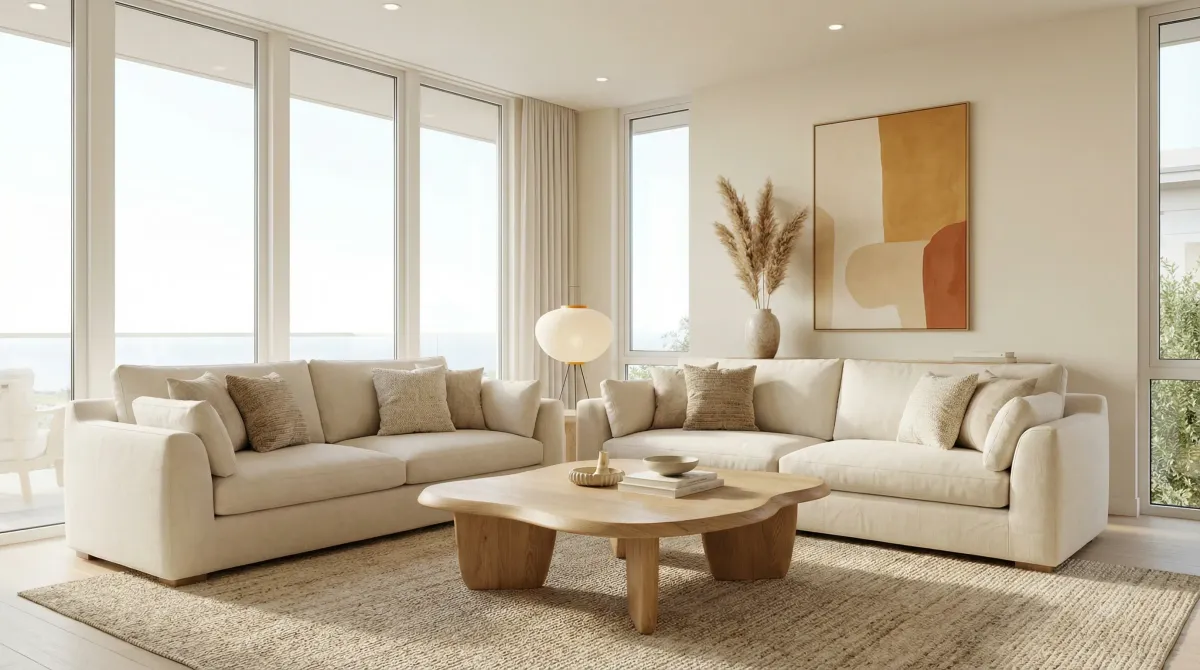
Interior design mistakes are rarely about bad taste. They come from decisions made in the wrong sequence: buying before measuring, styling before solving function, and copying inspiration without adapting it to the home. In San Diego homes, where bright daylight, indoor-outdoor flow, and compact lot footprints are common, those mistakes become obvious fast.
This long-form guide breaks down ten high-impact mistakes we repeatedly see, then gives practical fixes you can use immediately. For each one, we cover the cause, the impact, and the solution so you can avoid expensive rework and create rooms that feel intentional for years.
1) Designing around photos instead of your real routines
Cause
Social content rewards aesthetic snapshots, not real-life functionality.
Impact
Rooms look good but fail during daily use: nowhere to set bags, awkward work zones, and seating that does not support conversation.
Fix
Start with a use map. List weekday and weekend routines, then define required zones. If you need help turning routines into a working layout, start with space planning.
2) Skipping accurate measurements and clearance planning
Cause
People measure wall lengths but forget circulation, door swing, and furniture depth.
Impact
Pieces arrive and block pathways or feel oversized.
Fix
Create a measured plan with clearances. Tape footprints on the floor before ordering. Confirm elevator or stair constraints for condos and townhomes.
3) Choosing furniture with the wrong scale language
Cause
Mixing heavy, low, bulky forms with delicate vertical pieces creates visual tension.
Impact
The room feels chaotic even if each item is attractive alone.
Fix
Pick a dominant scale direction per room, then support it with compatible forms. Use one hero anchor and reduce visual noise in secondary pieces.
4) Pushing every item to the perimeter
Cause
It seems like leaving center space open will make a room bigger.
Impact
Conversation zones break apart and center space becomes unusable.
Fix
Float key seating around a rug, preserve clear circulation, and define intentional gathering geometry.
5) Underplanning lighting layers
Cause
Lighting decisions are postponed.
Impact
Rooms feel flat at night and overly contrasty by day.
Fix
Layer ambient, task, and accent lighting. In coastal neighborhoods, account for marine layer mornings and bright late-day sun when selecting bulb temperature and dimming strategy.
6) Ignoring undertones across fixed finishes
Cause
Paint is selected before comparing flooring, tile, countertops, and stone.
Impact
Whites look dingy, wood looks orange, or gray walls turn blue.
Fix
Anchor palette to fixed finishes first, then test large samples on multiple walls across full daylight cycles.
7) Buying rugs that are too small
Cause
Small rugs appear budget-friendly up front.
Impact
Furniture looks disconnected and the room feels unfinished.
Fix
Size rugs so front legs of major seating sit on the rug at minimum. In dining rooms, allow chair movement while staying on-rug.
8) Planning open storage but living with closed-storage needs
Cause
Open shelving photographs well, so it is overused.
Impact
Visual clutter builds quickly.
Fix
Use a balanced mix: closed storage for daily utility, open display for curated pieces only.
9) Spending budget in the wrong order
Cause
Accessories are purchased early because they are available immediately.
Impact
No budget remains for anchor pieces that control comfort and layout.
Fix
Sequence purchases: layout-critical furniture first, then lighting and storage, then textiles and accessories.
10) Designing for an imagined future life, not current reality
Cause
People design for aspirational routines that rarely happen.
Impact
Daily friction persists and rooms feel inconvenient.
Fix
Design for real current habits, then add flexible capacity for change. Durable materials, adaptable seating, and modular storage usually outperform rigid solutions.
How to implement fixes without a full remodel
Rework layout first, upgrade lighting second, then refine palette and textiles. This order delivers visible improvement quickly while avoiding duplicate purchases.
When professional support is worth it
If your home has awkward geometry, open-concept conflicts, or multiple competing needs, a coordinated design plan prevents trial-and-error spending. Our residential design service aligns layout, materials, and furnishing decisions so the final result feels cohesive from entry to bedroom.
Final takeaway
A polished home is not the result of one perfect purchase. It is the outcome of consistent, well-sequenced decisions. Avoid these ten mistakes and you will protect your budget, improve comfort, and create rooms that stay functional as life evolves. Ready for a tailored plan? Schedule a consultation.
A practical decision framework you can use room by room
If you feel stuck, use a simple sequence that professional teams use during early design phases. Step one is function, step two is constraints, step three is comfort, step four is style. Function means what must happen in the room every day. Constraints means dimensions, door swings, outlets, existing architecture, and what cannot move without construction. Comfort means seating depth, lighting control, acoustic softness, and storage access. Style comes after those factors are solved because style decisions become easier when the layout is already working.
For San Diego households, this framework is especially useful in open-concept homes where kitchen, dining, and living all share one visual field. Small layout mistakes in one zone spill into the next. A dining fixture mounted too low can visually cut the whole room. A sectional that is too deep can block the slider path to the patio. A media wall with no cable plan can create visible clutter that makes the entire space feel unfinished.
Budget guardrails that prevent expensive rework
Most design budgets fail because spending starts with low-impact categories. To avoid that, split your budget into three buckets. The first bucket is layout-critical pieces like sofas, dining tables, beds, and storage systems. The second bucket is performance upgrades like layered lighting, window treatments, and rugs sized correctly for each zone. The third bucket is finishing layers like art, accent décor, and styling objects. If bucket one is not fully funded, pause bucket three purchases.
A useful target for many projects is to reserve a contingency line from the start. Older homes across Southern California often reveal surprises once work begins, including uneven walls, legacy electrical locations, or flooring transitions that require adjustment. A small reserve protects your design intent so you do not cut key pieces at the end.
Checklist: pre-purchase questions before you click buy
- What exact dimensions, including depth and arm thickness, will this piece occupy?
- How will people move around it during peak-use hours?
- Does this material hold up to your real conditions like pets, direct sun, or frequent cleaning?
- Is this item visually supporting your room scale language or fighting it?
- If this arrives and fails, what is the return window and who pays freight?
Answering these questions before purchase takes minutes and prevents months of living with compromises.
Common San Diego-specific mistakes and better alternatives
One recurring mistake is selecting delicate indoor fabrics for rooms that are constantly open to patios and ocean air. Another is underestimating glare in west-facing spaces and relying only on decorative lighting at night. Better alternatives include performance textiles for high-use seating, layered window treatments for light control, and dimmable fixtures that support both bright task needs and softer evening use.
We also see homeowners install beautiful but fragile finishes in entry zones that receive sand, sunscreen residue, and heavy foot traffic after beach days. In these homes, choosing durable finishes is not giving up style. It is protecting the design from early wear so the room still looks intentional after the first season.
How to phase improvements if you cannot do everything now
You can still get strong results without a full-house project. Phase one should solve the biggest pain points in daily flow, usually seating layout, storage access, and lighting. Phase two should align palette and textile layers so rooms feel connected. Phase three can focus on artwork, styling, and custom details that elevate personality.
When phasing, document your long-term plan before buying phase-one items. That ensures early purchases fit the final direction and prevents duplicate spending. Even a simple one-page room plan with measurements, desired palette, and priority list keeps decisions coherent.
Final implementation checklist
- Measure each room and map clearances before selecting furniture.
- Set your budget order so anchor pieces come first.
- Define one scale language and repeat it intentionally.
- Plan lighting in layers with dimming and task support.
- Test paint and finish undertones against fixed materials.
- Choose rugs and storage based on real use, not showroom assumptions.
- Review your plan quarterly and adjust as routines evolve.
Extended planning notes for homeowners
Before you finalize any room, run a one-week observation exercise. Track when the room feels easy and when it creates friction. Note where clutter lands, which seats are used most, where light feels harsh, and where circulation tightens during busy hours. These observations reveal priorities better than inspiration images because they reflect real behavior. Convert those notes into action items with clear owners and deadlines, even if your project is self-managed.
Next, create a simple decision log. For each purchase, record why you chose it, the dimensions, material details, expected delivery timing, and return terms. This log protects you when lead times shift or when you need to coordinate installers. It also helps maintain consistency across months-long projects where memory fades. If you are collaborating with contractors or trades, a centralized log keeps everyone aligned and reduces avoidable change orders.
Finally, schedule a post-install review thirty days after completion. At that point you will know whether layout, lighting, storage, and finishes are supporting daily life. Small adjustments early can prevent long-term dissatisfaction. Move accessories, adjust lamp placement, tune storage assignments, and refine routines until the space feels effortless. Long-form design success is less about one perfect reveal and more about iterative improvements that respect the way you actually live.